

For children who have experienced trauma, difficult moments rarely happen at convenient times. They may surface during a transition, a family outing, or an ordinary afternoon when everyone is already tired. In those moments, what matters most is not perfection. It is the presence of a calm, dependable adult who does not walk away.
One Fostering Hope family saw this kind of commitment firsthand when two boys in their care began experiencing increasingly difficult behaviors. Their foster mom was carrying the strain of helping both children feel safe while managing the needs of the entire household. During one particularly hard moment, a Fostering Hope volunteer stayed close. He did not try to fix everything or judge what was happening. He simply remained present, helped the family through the immediate crisis, and showed through his actions that they were not alone.
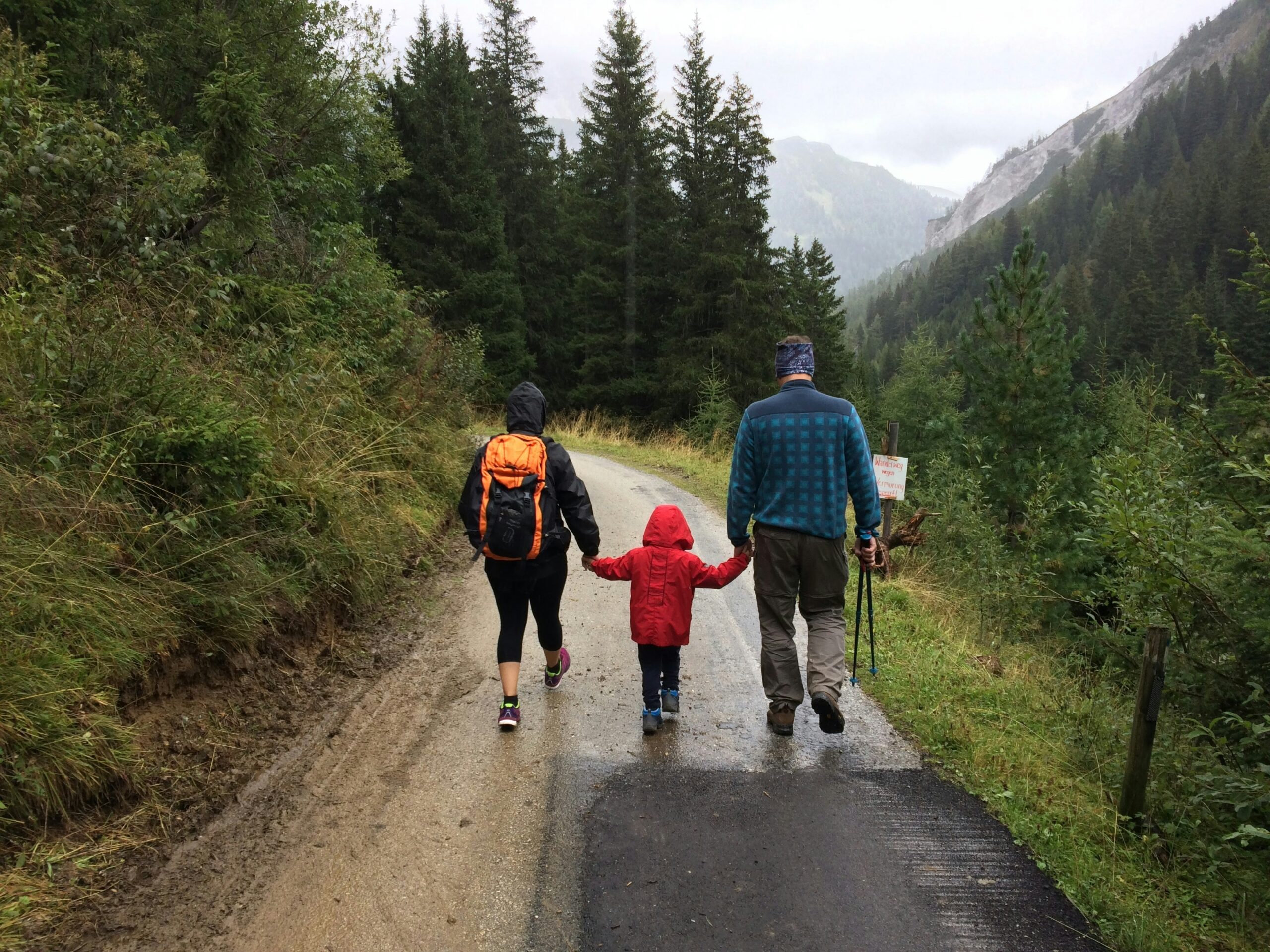
Later, that same volunteer and another member of the team joined the boys for a hike. What might look like an ordinary outing represented something much larger: the relationship continued beyond the hard moment. The volunteers had seen the family under stress and still came back.
That consistency is central to healing. Children who have experienced broken trust need repeated experiences with adults who are safe, predictable, and willing to remain. Foster parents need that same reassurance. Practical help matters, but dependable relationships are what make the help sustainable.
At Fostering Hope, we often talk about becoming extended family to foster families. Extended family celebrates the good days, but it also stays through the difficult ones. It looks beneath behavior, responds with compassion, and returns again and again.
Sometimes the most powerful thing a person can offer is not an answer. It is the decision to stay. Connect with us if want to learn how you can become part of a volunteer team and help a local foster family or young adult know they do not have to walk alone.